
Why Visual Content Drives Results: How Images Supercharge Digital Marketing
In digital marketing, text tells your audience what you do, but visuals show them why it matters.
With attention spans decreasing and online competition rising, high-quality images are no longer optional decorations—they are essential tools for audience engagement, conversion, and search visibility.
The Power of Visuals in Modern Marketing
The human brain processes visual information significantly faster than written text. Adding relevant imagery to blog posts and marketing campaigns directly addresses key user behaviors:
- Higher Engagement: Articles with images receive significantly more views and shares than text-heavy posts.
- Better Information Retention: Audiences retain up to 65% of visual information days later, compared to only 10% of text-only information.
- Improved User Experience: Images break up large blocks of text, making articles easier to skim and read on mobile devices.
Key Digital Marketing Uses for Images
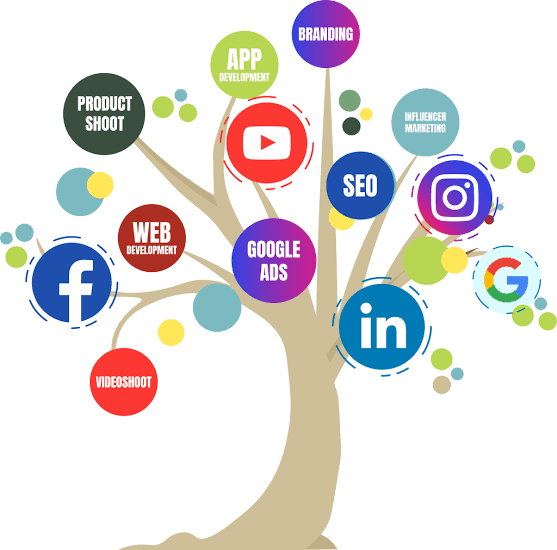
Strategic image placement directly impacts multiple core channels within digital marketing:
1. Search Engine Optimization (SEO)
Search engine crawlers analyze the contextual indicators surrounding images. Optimizing file names, titles, and alt text with targeted keywords helps search engines understand page content and boosts rankings in Google Image Search.
2. Social Media Amplification
Social algorithms prioritize visual content. Including custom graphics or high-resolution thumbnails makes content stand out on feeds like LinkedIn, X, and Facebook, generating higher click-through rates back to your main website.
3. Product Display & Sales Conversions
For e-commerce and lead-generation sites, images build buyer confidence. Showing real-world usage, infographics, or detailed product shots helps eliminate consumer hesitation and increases conversion rates.
4. Brand Recognition
Consistent color palettes, custom illustrations, and branded photography build a recognizable identity across web pages, email newsletters, and ad campaigns.
Best Practices for Image Optimization
To maximize the impact of visual elements on your website:
- Compress File Sizes: Large image files slow down page load speed, negatively impacting SEO and user retention. Compress images without losing quality.
- Write Descriptive Alt Text: Ensure accessibility for screen readers while giving search engine bots clear context.
- Ensure Responsive Formatting: Images should automatically scale for mobile, tablet, and desktop viewports.
- Use Original Content: Where possible, replace generic stock photos with authentic team, workspace, or product pictures to build brand trust.